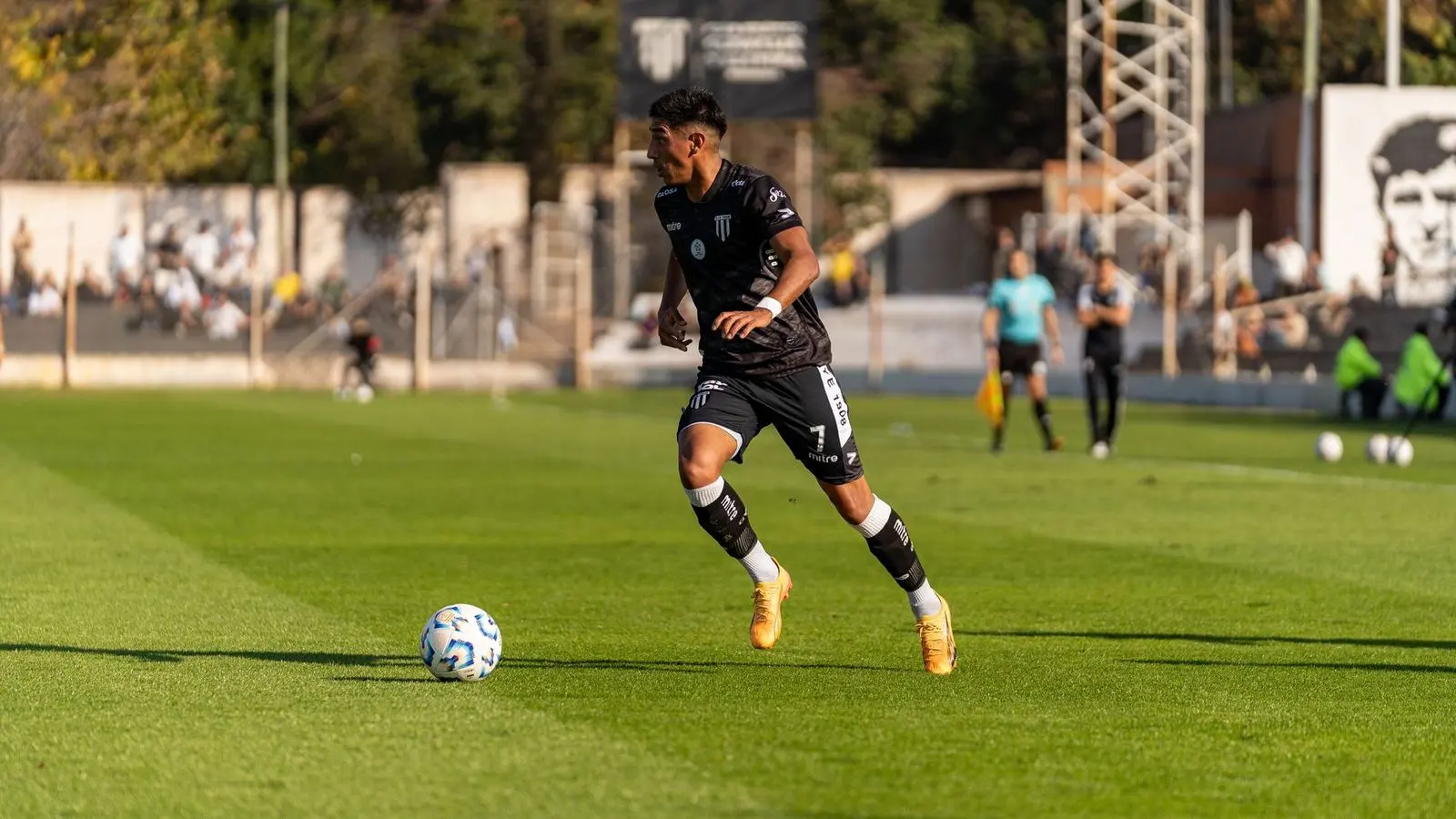
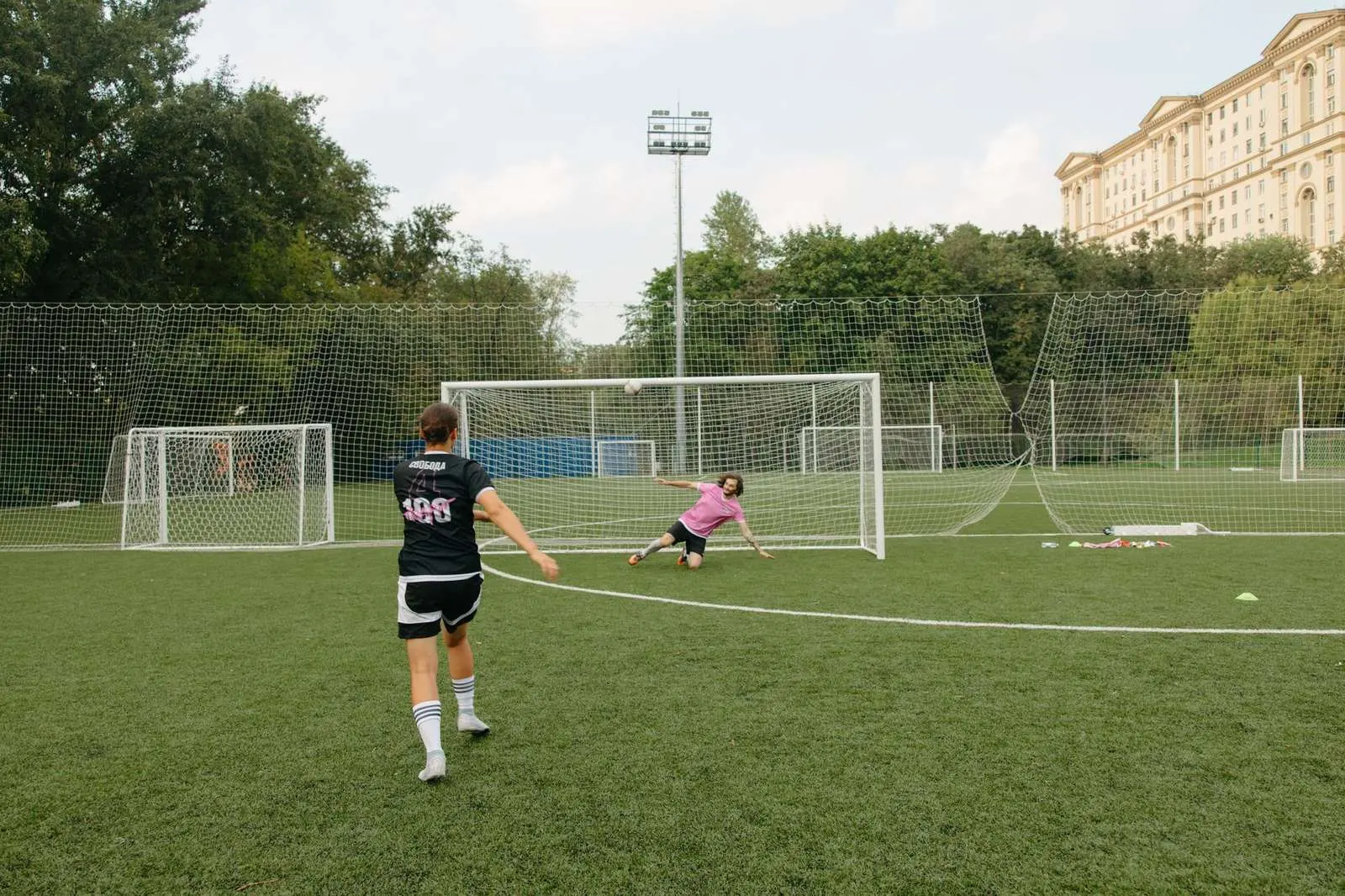
Not sure what does a striker do in football? You’ll find the short answer here: a striker scores goals, leads the attack and runs into space to finish chances for the team.
This guide is part of our look at football player positions, and it focuses on the front of the pitch.
| Item | Value |
|---|---|
| Position type | Outfield attacking position (forward) |
| Forwards in modern formations | One to three forwards |
| Traditional centre-forward shirt | Number 9 |
| Year the number 9 shirt became linked to the role | 1933 English FA Cup final |
| Forwards in a 4-4-2 | Two forwards |
| Forwards in a 4-2-3-1 | One forward |
These figures come from Wikipedia’s article on forwards and Goal’s guide to football positions. Formations and conventions change over time, so check the sources before you rely on them.
The striker’s core job on the pitch
A striker is a type of forward, an outfield position that plays further up the pitch than midfielders and defenders, according to Wikipedia. Being so advanced is a big reason forwards normally score more goals than players in other roles.
Goal’s positions guide calls the striker the focal point of the attack. It lists three main duties:
- Leading the line: occupying the central attacking position, holding the ball up and bringing teammates into play.
- Finding space in the box: making intelligent runs to get on the end of crosses and through balls.
- Finishing with precision: staying calm in front of goal so chances become goals.
Put simply, a striker is judged by what happens in and around the penalty area. Everything else in the role, from movement to link-up play, exists to make that final shot more likely to go in.
Striker, centre-forward and target forward: what is the difference?
The words overlap, and Wikipedia notes that centre-forward and striker are used interchangeably at times. Tall, heavy and technical players such as Marco Van Basten, Zlatan Ibrahimović and Edin Džeko have qualities that suit both positions.
The older term comes from early formations. In the 2-3-5, there were five forward players: two outside forwards, two inside forwards and one centre-forward, as the same Wikipedia page explains.
A centre-forward’s traditional job is to score the majority of the team’s goals. If the player is tall and physical with good heading ability, the role can widen:
- Getting onto the end of crosses.
- Winning long balls.
- Holding the ball with their back to goal while teammates advance.
- Setting up teammates with a through ball, which usually needs more pace and movement.
The target forward is the specialised version of this: a tall, strong player who wins high balls and creates chances for others. The centre-forward label is broader and covers many types of forward.
Key skills of a good striker
Strikers are known for peeling off defenders and running into space on the blind side to receive the ball in a good scoring position. Wikipedia names Ronaldo, Andriy Shevchenko and Thierry Henry as typical examples of this style.
The same page describes the usual toolkit of a complete striker:
- Pace, good ball control and dribbling ability.
- Confident shooting with either foot, with power and accuracy.
- The ability to link up with teammates and pass under pressure in breakaway situations.
Height is not required. Agile, shorter strikers such as Michael Owen, Romário, Dries Mertens, Sergio Agüero and Paulo Dybala hold an advantage over taller defenders because of their short bursts of speed.
Attacking positions also reward unpredictability. Direct players who take on the opposing defence tend to create more scoring chances, so a striker who can vary their movement is harder to mark.
Second strikers and the number 10
Not every forward plays on the shoulder of the last defender. Deep-lying forwards, often called second strikers, have a long history in the game, although the terminology has varied over the years.
Goal describes them as operating just behind the main striker, often creative players with an eye for a pass. Its guide gives them three jobs: linking midfield and attack, creating chances for the striker and scoring goals themselves.
Wayne Rooney is the example Wikipedia uses. He wore the number 10 jersey and was used at Manchester United as a second striker on many occasions, playing behind the number 9.
The line between roles can blur. A modern centre-forward is sometimes interchangeable with an attacking midfielder or second striker, especially in the 4-3-1-2 or 4-1-2-1-2 formations.
How formations and shirt numbers shape the role
How many strikers a team uses depends on its shape. Goal calls the 4-4-2 the most common formation, with four defenders, four midfielders and two forwards, while the 4-2-3-1 uses just one forward, as Goal’s guide and Wikipedia respectively set out.
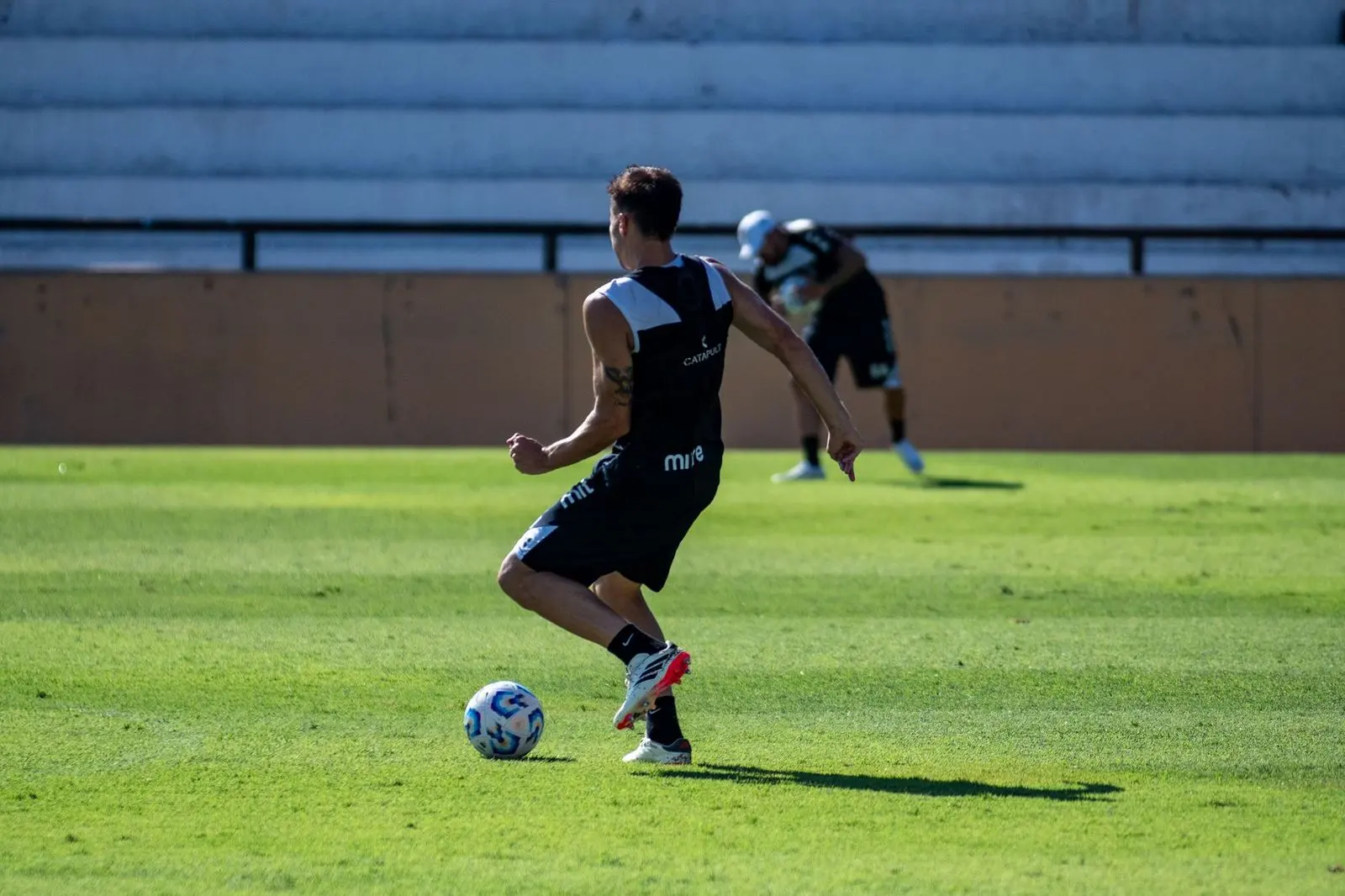
A lone striker in a 4-2-3-1 carries more of the burden: holding the ball up, running the channels and finishing. With two forwards, the pair can share those tasks.
The number 9 shirt is the traditional centre-forward number. The link goes back to the 1933 English FA Cup final, when numbers were first worn and Everton’s Dixie Dean, one of the two centre-forwards that day, wore it, according to Wikipedia.
Dean had set the record for the most goals scored in a season in English football during the 1927-28 season. Alan Shearer is cited as an out-and-out striker in that shirt, while the number 10 suits more creative deep-lying forwards such as Pelé.
Where strikers meet the rest of the team
A striker’s main opponents are the centre-backs. Goal’s guide says their duties include marking opposition attackers by sticking tight to strikers and denying them space and time, and our page on what does a centre back do shows that side of the duel.
Away from the pitch, strikers move between clubs like any other player. If you are curious how those moves work, our bosman rule explained page covers one key rule.
Frequently asked questions
Is a striker the same as a centre-forward?
Show answer
Often the two are treated as one, but they are not identical. A centre-forward is a broader label that covers several forward types, while a striker is usually the player whose priority is getting on the end of chances.
Which shirt number do strikers wear?
Show answer
Most wear the number 9, and some creative deep-lying forwards prefer the number 10. Wingers are more often linked with other numbers.
How many strikers does a team play?
Show answer
Modern line-ups usually field between one and three forwards, according to Wikipedia. Some less conventional shapes use more than three, or none at all.
Do strikers have to defend?
Show answer
They carry fewer defensive duties than other outfield players, which is part of why they finish so many moves. The same Wikipedia page describes forwards as having limited defensive responsibilities.